The short version
When a California tenant faces water damage, stop or report the source, write to the landlord, photograph everything and shield your belongings. State law counts leaks, dampness and visible mold as habitability matters. Renters insurance covers belongings, not the building, and excludes flood and earthquake.
On this page (8)
- What are the first steps when my California rental starts leaking?
- Does my California landlord have to deal with water damage and mold?
- Who is financially responsible for water damage in a rental or condo?
- Will renters insurance pay for water damage in California?
- How do condo HO-6 and HOA master policies divide the loss?
- What are my options when a landlord ignores a leak or mold?
- What deadlines apply when a tenant files an insurance claim?
- Who arranges drying and cleanup inside a rented unit?
What are the first steps when my California rental starts leaking?
Halt the water if you can reach the source, and then notify the landlord or property manager in writing. Tenants rarely control the roof, the main line or the apartment above, and an owner cannot repair a leak no one reported. Cleanup questions wait until both steps are done.
- Turn off the small valve under a sink or behind a toilet if a supply line is the culprit. For a leak in a ceiling or wall, phone the maintenance line and any after-hours number the building provided.
- Put the report in writing. A text, an email or the resident portal all work, even after a phone call. Give the room, what you observed and the date, and request a repair.
- Take photos and video of the source, the wet surfaces and each damaged item before anything gets moved or discarded.
- Get belongings off wet floors. Move electronics, papers and cushions to dry surfaces, yet hold on to ruined items until your insurer or landlord has looked at them.
- Avoid outlets near water. Have the owner shut off power to a wet area instead of testing it on your own.
According to the EPA, water-damaged areas and items should be dried within 24 to 48 hours to prevent mold growth. Your dated message marks when that clock began.
Does my California landlord have to deal with water damage and mold?
Often, yes, as far as the building goes. A California rental counts as untenantable when it lacks essentials like a weatherproof roof or working plumbing, and dampness or visible mold can make a home substandard. The landlord must then correct those conditions, although the facts of your unit decide each case.
Three parts of state law do most of the work.
- Civil Code 1941.1. Its habitability list covers effective waterproofing of the roof and exterior walls plus plumbing in good working order.
- Health and Safety Code 17920.3. This section lists dampness of habitable rooms and visible mold growth, as found by a health officer or code enforcement officer, among substandard conditions. Minor mold on surfaces that normally collect moisture is excluded.
- The mold booklet. The Toxic Mold Protection Act requires landlords to give prospective tenants a state mold booklet ahead of the lease. The renter booklet from the California Department of Public Health says this duty started January 1, 2022.
That booklet also observes that mold needs dampness, so managing the water is how you manage the mold. The mold guide deals with mold directly.
Who is financially responsible for water damage in a rental or condo?
The answer depends on where the water came from, your lease, the association documents and whether someone caused the leak. Loosely, owners repair the building and tenants deal with personal belongings. Treat the table as a rough map rather than legal advice, and check your own paperwork.
| Water source | Tenant | Landlord | Condo owner or HOA |
|---|---|---|---|
| Roof leak in a winter storm | Own belongings | Roof and ceiling repair | The association frequently covers the roof, and the owner covers the unit interior |
| Pinhole leak in a pipe behind a wall | Own belongings | Pipe and wall repair | Depends on whether the pipe serves a single unit or the entire building |
| Neighbor's overflow from the unit above | Own belongings; the neighbor's insurer could be drawn in | Building repairs | The neighbor's liability policy might respond |
| Sewage backing up a floor drain | Personal property, frequently uninsured | Shared drain lines | The association manages shared lines |
| Flood or mudflow from outside | Personal property, usually excluded | Building repairs | The master policy might not include it |
A tenant who caused the leak, for instance with a tub left running or a washer hose they installed, may owe for it. A tenant aid group or a California attorney can compare your lease to a particular dispute.

Will renters insurance pay for water damage in California?
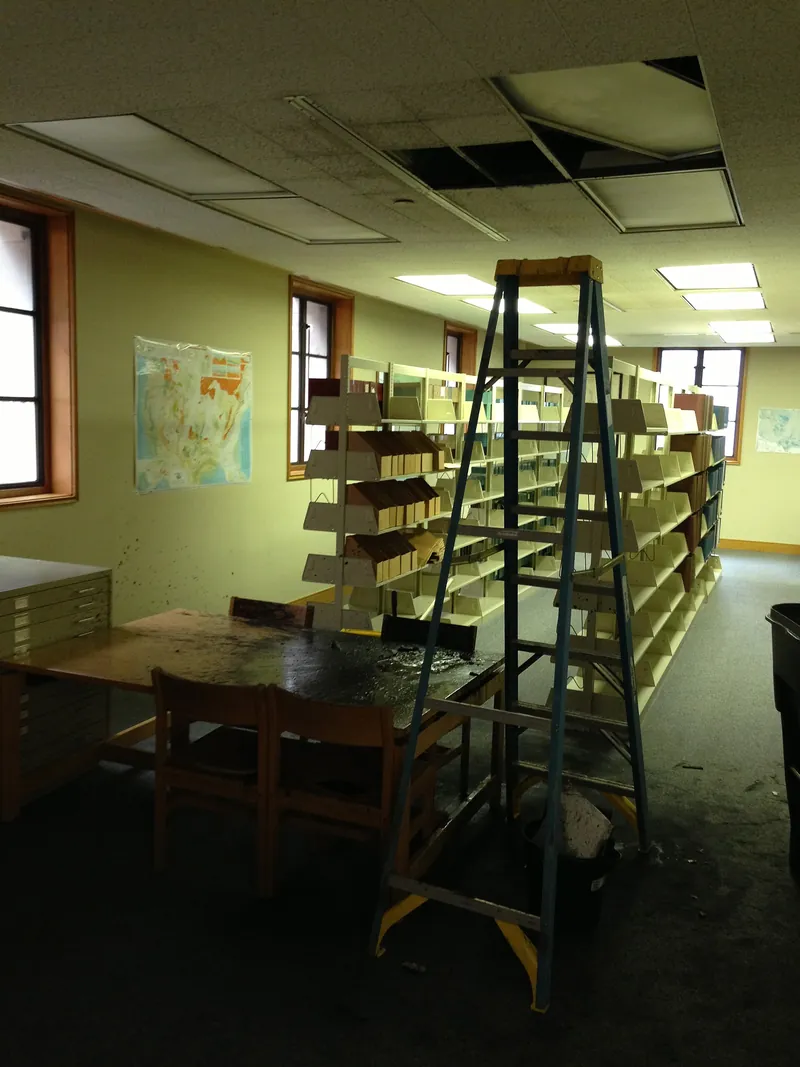
It may pay for your belongings, but not the building. When a burst supply line destroys your couch and laptop, a renters policy might reimburse you, within your limits and deductible. The owner's insurer deals with walls, floors and ceilings.
Standard forms name accidental discharge or overflow from plumbing, heating, air conditioning or a household appliance as a peril, Triple-I reports. That page adds that standard homeowners and renters policies exclude flood, that sewer backup needs an add-on in typical policies, and that damage from lack of maintenance or mold is excluded.
The California Department of Insurance states that homeowners, renters and condominium policies do not cover earthquakes, floods or landslides. A tenant holding only a standard renters policy should expect losses to belongings from a winter storm, mudflow or earthquake to go unpaid unless another policy applies.
Prompt notice to your insurer counts. The California Department of Insurance recommends reporting water damage to your agent or company at once. The insurance claim guide explains how claims are handled.
How do condo HO-6 and HOA master policies divide the loss?
Normally the association insures the common parts of the building, and each owner holds an HO-6 policy on their own unit. The association documents decide which walls, fixtures and finishes belong on which side, so obtain them before any loss occurs.
- Request the master policy summary. See whether it reaches fixtures inside your unit or only the shell and common areas.
- Look for the gap in your HO-6. Owner policies often pick up what the master policy omits, like interior finishes and belongings.
- Ask about sewer backup and flood. Neither is part of a typical homeowners policy, Triple-I says, so the master policy may leave them out too.
- Notify both in writing. Contact the board or manager and your own insurer immediately.
Per the NAIC, damage from a home's plumbing or a roof leak is typically covered, whereas ground water and rain runoff are not. For who owns which pipe, the HOA responsibility guide digs further.
What are my options when a landlord ignores a leak or mold?
Build a paper trail, then escalate step by step. Send a dated written request, follow up in writing, and if nothing changes, reach out to your local housing or code enforcement office. A tenant attorney or tenant aid group can describe remedies under your lease.
The California Department of Public Health says the state housing code treats mold and dampness as substandard conditions the owner must remediate once a code enforcer cites them. A citation puts you on firmer ground than a spoken complaint.
Dated photos, copies of each message and receipts for protecting your belongings all help your case. Before you withhold rent or take on large repairs yourself, speak with an attorney, since the rules behind those moves are easy to get wrong.
Health is a separate concern. The CDC notes that mold can cause a stuffy nose, coughing or wheezing and skin rash, with stronger reactions in people with asthma or mold allergy. Tell a doctor about symptoms, and mention the leak.
What deadlines apply when a tenant files an insurance claim?
California regulations set the claim-handling deadlines. Insurers have 15 calendar days from notice to acknowledge a claim and 40 calendar days from proof of claim to accept or deny it. Those clocks bind your insurer, not your landlord.
- 15 calendar days: the insurer acknowledges the claim, provides forms and begins any investigation needed, under 10 CCR section 2695.5.
- 40 calendar days: after proof of claim, the insurer accepts or denies in whole or in part, under section 2695.7. Any denial has to be written.
- Reporting window: an earthquake brochure from the California Department of Insurance says a company may deny claims not reported within one year, so do not delay.
Trouble opening a claim? The California Department of Insurance offers a consumer complaint form and a hotline at 1-800-927-4357.
Who arranges drying and cleanup inside a rented unit?
Owners generally pick who does building repairs and drying, while tenants handle their belongings. Ask the landlord in writing who will arrange drying, since wet drywall and flooring left alone can grow mold. Restoration teams differ, so confirm directly what each one does.
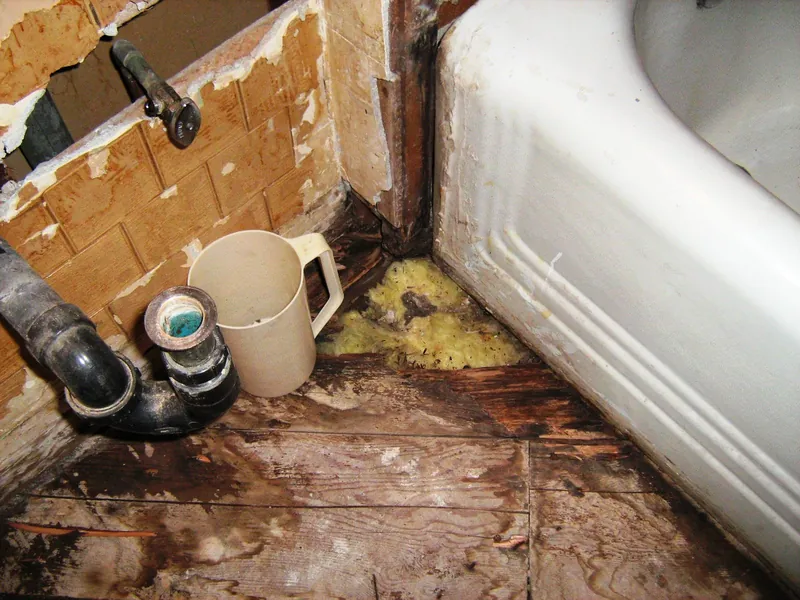

Put three questions to any provider: does it take moisture readings, how does it document work for insurance, and who gets the bill. Water removal and structural drying describe the process, and choosing a restoration company explains how to compare providers.
When water came through the ceiling or roof, read ceiling water damage and roof leak storm damage. For sewage, the EPA recommends a professional with contaminated-water experience, and the sewage backup guide walks through the steps.
Restoration teams differ, so confirm scope, price and timing directly with the team you reach before you agree.
Sources: California Department of Insurance, file a complaint; 2695.7; 10 CCR 2695.5; CDC, About Mold and Your Health; EPA mold cleanup; EPA mold and moisture guide; NAIC, Homeowners Insurance; Triple-I, Which disasters are covered by homeowners insurance; California Department of Insurance, Residential Property Claims Guide; California Department of Insurance, Earthquake Insurance; CDPH, FAQ about Mold; CDPH, Dampness and Mold for Renters in California; Health and Safety Code 17920.3; California Civil Code 1941.1
Water Damage Cleanup California is the local water damage restoration line and information resource for California. When you call or send a request, it reaches a local water damage restoration team that serves your area. That team confirms whether it can reach you and gives its own scope, price and timing. Confirm them directly before you agree to anything.