The short version
A storm water damage checklist runs in order: get safe, stop the source, photograph everything, report the claim, then dry within 24 to 48 hours. Keep every receipt, wait for the adjuster before permanent repairs, and check any contractor license yourself. Restoration teams differ, so confirm terms directly.
On this page (10)
- What should I do first after a severe storm hits my home?
- What is the step-by-step checklist after a storm?
- How do I stop more water from getting in?
- What should I photograph and keep for a claim?
- When do I have to report storm damage, and how fast must my insurer respond?
- Does insurance cover storm water damage?
- How do I dry a house after storm water?
- Can I clean up storm water on my own?
- How do I hire a contractor after a storm?
- What if my insurer denies or delays the claim?
What should I do first after a severe storm hits my home?
Check that everyone is safe, then deal with hazards before belongings. Stay out of rooms with standing water if the power may be on, avoid floodwater outside, and call your utility if you smell gas or see damaged lines. Use this storm water damage checklist in order, not all at once.
Ready.gov warns that six inches of moving water can knock a person down and one foot of moving water can sweep a vehicle away. Do not walk or drive through flooded streets to reach the house.
If you have to turn off power, do it from a dry spot, and only if the panel is not wet. When in doubt, leave the electrical work to a licensed electrician. The list below covers what you can do yourself and what to ask a provider.
What is the step-by-step checklist after a storm?
The order matters: safety, stop the water, document, report, then dry. Skipping ahead to cleanup before taking photos is the most common way people lose proof of what happened. Work down this list, and adjust it if your home or the storm was different.
- Get safe. Avoid floodwater, downed lines and rooms with sagging ceilings.
- Stop the source. Shut off the main water if a pipe is leaking, and cover openings in the roof.
- Photograph and video every wet room, ceiling stain and damaged item before moving anything.
- Call your insurer or agent and ask how to open a claim.
- Start drying with fans, open windows when the air is dry, and a dehumidifier.
- Save receipts for anything you buy to protect the property.
- Get written estimates before permanent repairs begin.
For a roof opening or ceiling stain, see roof leak storm damage. For rising water, the flood damage restoration page is the better start.
How do I stop more water from getting in?
Find the source and slow it down. The California Department of Insurance says homeowners should immediately attempt to find and stop leaks at the source. For a roof hole, a tarp or plastic sheeting over the opening and a bucket under the drip buys time until a roofer can look.
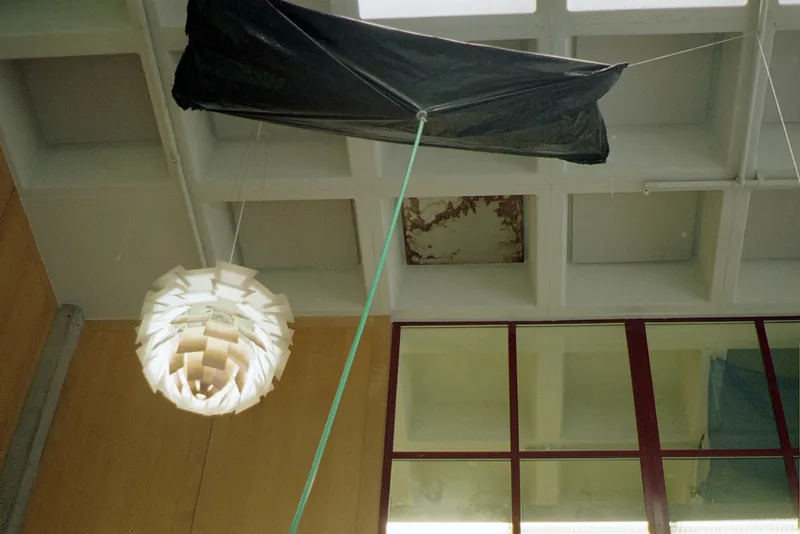

Triple-I says to make sensible efforts to keep the damage from growing and to hold on to what you spend. Tarps, plywood, plastic sheeting and drying fans all qualify, so keep every receipt.
Permanent repairs can wait until the adjuster has had a look. If a ceiling is bulging with water, the ceiling water damage page explains how to relieve it safely. Leave wet roofs to a roofer.
What should I photograph and keep for a claim?
Photograph everything that is wet or broken before you move or discard it. Triple-I advises photographing or videotaping the damage, not throwing out damaged items until the adjuster has visited, and saving receipts for what you spend. A short video walking through each room works as a backup.
- Wide and close shots of each wet room, with the ceiling, walls and floor in view.
- Water lines on walls, with a tape measure in the frame for scale.
- Damaged items, with a written list of what each was and roughly when you bought it.
- The source, such as a roof opening, a window seal or a door threshold.
- Utility and repair receipts, kept together in one folder.
Photos taken before the storm, if you have them, show what the room looked like dry. If a restoration provider removes materials, ask it to photograph them first, and keep its drying log and invoice for your insurer.
When do I have to report storm damage, and how fast must my insurer respond?
Report it immediately. The California Department of Insurance says to report any water damage claim immediately to your agent or company representative, and notes that delay in cleanup can result in mold growth. The state's claim-handling regulations then set clocks for the insurer.
| Step | What the regulation says | Section |
|---|---|---|
| Acknowledge the claim | Within 15 calendar days of notice | 2695.5(e) |
| Accept or deny | Within 40 calendar days of proof of claim | 2695.7(b) |
| Need more time | Written notice within the 40 days, then every 30 calendar days | 2695.7(c)(1) |
| Pay an accepted claim | Within 30 calendar days after acceptance | 2695.7(h) |
These are sections of Title 10 of the California Code of Regulations, 2695.5 and 2695.7. A written denial must list all bases and say you may have the matter reviewed by the California Department of Insurance.
After a big storm, insurers can be slow. Keep a log of every call, the name of the person you spoke with, and what was promised. The insurance claim guide goes deeper.
Does insurance cover storm water damage?
Sometimes. The California Department of Insurance says homeowners policies do not cover flood damage but do cover other kinds of water damage, for example rain through a hole in the roof or a broken window if the hole was caused by strong winds or another covered exposure. Read your policy and ask your agent.
According to the NAIC, a typical policy responds to leaks from household plumbing or a roof, but not to ground water, rain runoff or snowmelt. Triple-I adds that flood coverage is its own policy, sold through the NFIP or a handful of private insurers, and that a standard homeowners policy does not pay for sewer backups.
The CDI also says policies typically exclude flood, mudslide and debris flow unless a recent wildfire or another covered peril caused them. The CDI's Climate Insurance Working Group report puts flood insurance at less than 5 percent of California homes (NFIP policies in September 2019), so many people learn about the gap after a storm. Details by storm type are on the atmospheric river water damage page.
How do I dry a house after storm water?
Begin in the first 24 to 48 hours. That is the window both the EPA and the CDC give for drying a flooded home so mold does not take hold. Soaked carpet and upholstery that will not dry quickly should come out, and indoor humidity should stay under 60 percent, ideally 30 to 50 percent.
Move furniture off wet floors, lift rugs, and run fans and a dehumidifier. Open windows only when the outside air is drier than the inside air. Wet drywall and insulation often need to come out, since they hold water against framing.
If the floor is wet, the wet carpet drying page and the water damaged floors page explain what can be saved. A restoration provider measures moisture to confirm drying, which is hard to judge by touch.
Can I clean up storm water on my own?
The answer turns on the water's origin. Under the IICRC S500 standard, supply-line water is Category 1 and clean, while rising flood water and outside surface water are Category 3 and grossly contaminated. When sewage or similar water caused the damage, the EPA recommends bringing in a professional with contaminated-water experience.
On hard surfaces after a flood, the CDC suggests household cleaner with soap and water, or a bleach mix of at most 1 cup per gallon. Bleach and ammonia, or any other cleaner, must never be combined. Keep windows open and put on rubber boots, gloves and goggles.
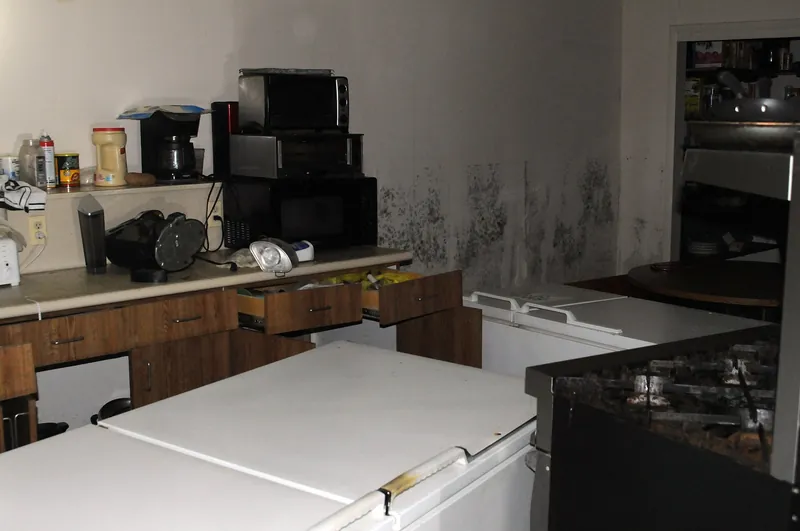

For a moldy patch smaller than about 10 square feet, the EPA says most people can do the cleaning themselves. It also warns against painting or caulking over mold. For larger areas, see mold after water damage.
How do I hire a contractor after a storm?
Take your time, even when neighbors are rushing. Triple-I recommends collecting written bids from licensed contractors, with each material and price itemized. Check each contractor's license yourself before you sign anything, and compare at least two bids so a rushed first offer does not set the price.
The Contractors State License Board says a down payment cannot be more than $1,000 or 10 percent of the contract price, whichever is less, for a home improvement job. It also advises paying only as work is completed, and requiring a written change order for changes.
CSLB reports that since January 1, 2025, an unlicensed person may do projects up to $1,000 without a license only if they do not hire workers and no permits are needed. That $1,000 includes labor and materials. Check a contractor's license on the CSLB site and read how to choose a restoration company. Restoration teams differ, so confirm terms directly.
What if my insurer denies or delays the claim?
Ask for the reasons in writing, then use the official routes. The California Department of Insurance accepts complaints through its online form or by phone at 1-800-927-4357, and it lists difficulty opening a claim as a reason to contact it. Keep copies of everything you send.
If you disagree with the offer, many policies let you request an independent appraisal, Triple-I notes. Each party names an appraiser, those two choose an umpire, and agreement by any two settles it. Public adjusters may charge up to 15 percent of the settlement, so verify them with the state insurance department.
Start with the agent or claim department manager, then escalate. More guides are listed on the water damage guides page.
Sources: Ready.gov, Floods; CDI, Residential Property Claims Guide; Triple-I, Settling claims after a disaster; 10 CCR 2695.5; 10 CCR 2695.7; NAIC, Homeowners Insurance; Triple-I, Which disasters are covered; CDI press release, February 4, 2025; CDI, Climate Insurance Working Group report; EPA, Mold and moisture; EPA, Mold cleanup; CDC, Mold and your health; IICRC S500; CSLB press release 24-21; CSLB, Terms of Agreement guide; CDI, file a complaint.
Water Damage Cleanup California is the local water damage restoration line and information resource for California. When you call or send a request, it reaches a local water damage restoration team that serves your area. That team confirms whether it can reach you and gives its own scope, price and timing. Confirm them directly before you agree to anything.