The short version
With storm damage in California, catch the leak, get belongings clear of wet rooms, switch off power to affected rooms when safe, and record it all. The roof belongs to a roofer, and water indoors belongs to a restoration team. Drying wet materials within the first 24 to 48 hours helps prevent mold.
On this page (12)
- What are the first steps when rain comes through the roof in California?
- Why does the first heavy rain of the season expose roof leaks?
- How do you trace where storm water enters the house?
- Just how severe can a California winter storm be for a house?
- What becomes of wet attic insulation and drywall below a leak?
- Can storm water count as flood water?
- Will homeowners insurance pay for a storm roof leak in California?
- What records should I keep after storm damage?
- Which trade repairs the roof, and which handles the water?
- How can I keep the house protected until a roofer finishes?
- How quickly can mold appear after a roof leak?
- What can I do to ready the roof for the next storm?
What are the first steps when rain comes through the roof in California?
Look after people first, then belongings, then proof of the loss. No one can fix a roof during a downpour, so the aim is to keep water off as much of the house as possible until the rain ends and a roofer can seal the opening. Record the leak as it unfolds.
- Stay down from the roof and out of the attic whenever it is slick, gusty or thunderstorms are nearby.
- Shift people, rugs, electronics and furniture out of the drip zone.
- Turn off power to the room if water runs through a fixture or outlet, provided you can reach the panel on dry ground.
- Collect the water in buckets, and read how to drain a bulging ceiling safely before you poke at anything.
- Shoot photos and video of drips, stains and wet belongings, with the date showing.
- Tell your insurer once it is safe, then reach a roofer, and add a restoration team if insulation, drywall or flooring got wet.
Once the opening is covered, the emergency water damage restoration page shows how drying proceeds.
Why does the first heavy rain of the season expose roof leaks?
Months without rain do quiet damage. Sun and heat wear down sealants, shingles and flashing, while leaves and dust collect in gutters and valleys. When a hard rain finally arrives, water tests every gap together. A roof that seemed sound in August can reveal its flaws in the first real storm.
That is a general pattern, not a statewide statistic, and homes vary by roof age and material. It still argues for studying the roof from the ground each autumn, ahead of the wet season.
- Cracked or lifted shingles and tiles, particularly along ridges and edges.
- Sealant that has dried out around vents, skylights and chimneys.
- Gutters and valleys clogged with debris, which push water back under the roofing.
A stain that shows up with the first rain and then pauses until the next storm usually signals one small entry point.
How do you trace where storm water enters the house?
Hunt for ceiling stains, wet attic decking and shifted roofing, then inspect openings that face into the wind. The ceiling mark often sits far from the real hole, because water travels along rafters and drips wherever it can. Follow the trail uphill to find the source.
| Entry point | Signs you will see | Who to call |
|---|---|---|
| Roofing surface | Brown marks on the ceiling, damp attic decking | A roofer, plus a restoration team if insulation and drywall are wet |
| Flashing and chimney | A stain beside the chimney or where roof meets wall | A roofer, followed by a restoration team for the wall |
| Vents and skylights | Drips around a pipe or pane, soggy insulation below | A roofer or skylight installer, then a restoration team |
| Windows and doors | Damp sills, stained trim, swollen casing | A window or door installer, then a restoration team |
| Stucco and siding | Wet wall corners after wind-driven rain | A stucco, siding or paint contractor, then a restoration team |
| Fallen limbs | A hole, a sag or daylight showing in the attic | A tree service and a roofer, then a restoration team |
| Ground-level water | Water across the floor, damp baseboards in every room | A restoration team (flood section below) |
Ground-level water, the last entry, is a separate matter, because insurers and restoration teams handle outside water differently from rain that came through the roof.
Just how severe can a California winter storm be for a house?
Severe enough to overwhelm roofs, drains and slopes inside one week. NOAA reported that nine atmospheric rivers struck the West Coast from late December 2022 into January 2023, delivering record rain and snow, with California hit hard by flooding, power outages and mudslides.
- According to NOAA NESDIS, over 32 trillion gallons of water fell across the state, and the San Francisco Bay area saw its wettest three-week stretch in a 161-year record.
- The NWS Weather Prediction Center reviewed the February 2024 storm, citing totals near 14 inches at Topanga and 11.64 inches at the Bel Air Hotel.
- The NWS Bay Area office logged a 102 mph peak wind gust, and reports that over one million customers lost power at some point in that storm.
Wind and rain together pry roofing loose and drive water sideways. For why these storms hold so much water, see the atmospheric river guide.
What becomes of wet attic insulation and drywall below a leak?
Soaked insulation presses water against the ceiling beneath it, so a small leak can turn into a big repair. It dries slowly, flattens and loses most of its insulating value. The drywall below softens, stains, and can grow mold if the dampness lingers.
- Saturated batts or loose-fill normally have to be removed so the ceiling can dry.
- Drywall that sags, softens or is stained all the way through is usually cut out, whereas panels damp only on the surface can sometimes dry in place.
- Rafters and decking that remain damp must dry before fresh insulation is installed.
Before closing anything up, a restoration team takes moisture meter readings of the ceiling, insulation and framing. The drywall water damage page covers the keep-or-cut decision. Painting over damp drywall traps the moisture, and the stain comes back.
Can storm water count as flood water?
It can, and the distinction changes the whole job. Rain entering through the roof is one case. Water rising from a street, creek or overwhelmed drain is another, and the IICRC S500 classes rising flood water and outside surface water as Category 3, or grossly contaminated.
Porous materials such as carpet and drywall that Category 3 water reached are usually removed rather than dried. Workers wear protective gear, and you should keep out of the area.
Ready.gov cautions that six inches of moving water can knock a person off their feet, and a foot can carry a vehicle away. Slopes bring their own danger, since heavy rain on saturated or burned hillsides can push mud toward homes, as the mudslide page explains. For water at ground level, read the flood damage restoration page and the after-storm checklist.
Will homeowners insurance pay for a storm roof leak in California?
A roof leak is often covered while flood is not. The California Department of Insurance says homeowners policies exclude flood damage but cover other water damage, such as rain entering through a roof hole or broken window when strong winds or another listed peril made the opening.
- The Department of Insurance claims guide advises finding and stopping leaks at the source, and telling your agent about water damage immediately.
- The NAIC says a roof leak is typically covered, but ground water and rain runoff are not.
- Triple-I adds that damage from lack of maintenance is excluded, so a worn-out roof may start a dispute.
Your policy wording rules, so ask your agent how it applies to you. The insurance claim guide sets roof, plumbing and flood claims side by side.
What records should I keep after storm damage?
Shoot photos and video before cleaning up, and notify your insurer promptly. Triple-I advises taking reasonable steps to stop the damage from growing, and to hold major permanent repairs until an adjuster has looked at the loss. Dated records make a claim easier to support.
- Write down the storm date, the time the leak began and that day's weather.
- Photograph the roof from the ground if that is safe, then every stain and wet item.
- Hold on to damaged items until the adjuster comes.
- Keep receipts for tarps, buckets, drying and stopgap fixes.
- Ask for written bids that itemize materials and prices.
California regulation 10 CCR 2695.5(e) requires an insurer to acknowledge a claim within 15 calendar days of notice. Section 2695.7(b) allows 40 calendar days after proof of claim to accept or deny, and any denial must be written. The regulation text is public.
Which trade repairs the roof, and which handles the water?
Two trades solve two problems. A roofer mends or covers the roof, while a restoration team tackles water inside the house. This site covers water damage only, so it does not address roofing, tree removal or wind repairs.
Keep the paperwork sorted: the roofer's invoice, the tarp receipt and the restoration team's drying notes all go in the claim file. Each describes a separate piece of one loss.
Drying can start ahead of the permanent roof repair, provided the opening is covered and nothing new is coming in. A restoration team clears standing water and ruined insulation or drywall, then dries the framing. Water removal and structural drying describe the process. Restoration teams vary, so ask what each one takes on.

How can I keep the house protected until a roofer finishes?
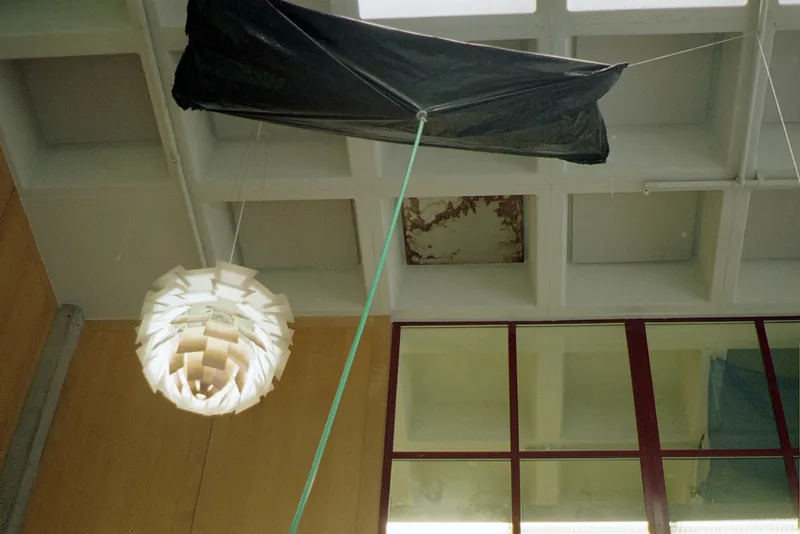
A roofer puts up a temporary tarp or cover, and your task is keeping the interior as dry as possible. Putting one up means standing on a steep, slippery surface, which is the roofer's job. A fall from the roof does more harm than any leak.
- Empty the buckets before they spill over.
- Carry belongings out of wet rooms and prop furniture feet on wood blocks or foil.
- Keep clear of any ceiling that sags.
- Hang on to receipts, because insurers expect reasonable steps to protect the property.
Wind can defeat temporary covers, so look at them after each gust or heavy shower, and tell the roofer if one has moved. Photograph the cover in place, which shows what you did to limit the loss.
If water reached wood or laminate floors, move fast. The water-damaged floors page explains what may be saved.
How quickly can mold appear after a roof leak?
Quickly, if materials stay wet. The EPA says water-damaged areas and items should be dried within 24 to 48 hours to prevent mold growth, with indoor humidity kept below 60 percent, ideally between 30 and 50 percent.
Be suspicious of attics, since a slow drip there can go unnoticed for days. When a storm leaves stains, look at the underside of the roof deck and take any musty odor seriously. Do not paint or caulk moldy surfaces, says the EPA. The CDC notes that asthma or a mold allergy can bring on severe reactions.
The mold after water damage guide sorts DIY cleanup from jobs for a professional.
What can I do to ready the roof for the next storm?
Some of it. Weather is beyond your control, but weak spots can be found before the rain finds them. Scan the roof from the ground each autumn and again after big storms, and watch ceilings and the attic for fresh stains.
- Clean out gutters and downspouts, and aim their discharge away from the foundation.
- Have a roofer check flashing, chimney joints and vent boots if a stain turns up.
- Trace a ceiling stain's edge in pencil with the date, to see whether it spreads.
- The water damage prevention guide offers a longer checklist.
If water has gotten into insulation, walls or floors, send a request through this site and it will reach a local water damage restoration team that serves your area.
Sources: NOAA NESDIS, Atmospheric Rivers Hit West Coast; NWS Weather Prediction Center, February 4, 2024 event review; NWS Bay Area, Atmospheric River February 3-5, 2024; IICRC S500; Ready.gov, Floods; California Department of Insurance, Residential Property Claims Guide; 10 CCR 2695.5; 10 CCR 2695.7; NAIC, Homeowners Insurance; Triple-I, Which disasters are covered by homeowners insurance; Triple-I, Settling insurance claims after a disaster; EPA mold and moisture guide; CDC, About Mold and Your Health.
Water Damage Cleanup California is the local water damage restoration line and information resource for California. When you call or send a request, it reaches a local water damage restoration team that serves your area. That team confirms whether it can reach you and gives its own scope, price and timing. Confirm them directly before you agree to anything.