The short version
In wet carpet drying in California, close the water source, extract what is standing, then run air movers and a dehumidifier. Carpet hit by clean water is often salvageable, grey water usually ruins the pad, and flood water or sewage means replacement. The EPA recommends drying within 24 to 48 hours.
On this page (14)
- What are the first moves when a carpet floods?
- Is soaked carpet worth keeping?
- Do I replace the carpet pad or keep it?
- Will a shop vac get the water out of carpet?
- How do you dry out a wet carpet properly?
- Do the tack strip and subfloor need attention too?
- What causes the wet carpet smell, and will it fade?
- How soon does mold start in soaked carpet?
- Should I pull the carpet if flood water or sewage reached it?
- What is the drying time for wet carpet?
- Can glued-down or tacked carpet over concrete be dried?
- What does wet carpet repair run in California?
- Is wet carpet covered by homeowners insurance in California?
- When can I deal with wet carpet on my own?
What are the first moves when a carpet floods?
Stop the water, remove what is pooled and get air moving through the room. Wet carpet drying in California goes best when it begins quickly, since the pad underneath keeps holding water long after the top feels dry to your palm.
- Close off the source. Shut the fixture stop or main valve, or have a plumber fix the line. Carpet will not dry while water keeps arriving.
- Kill the power to wet rooms at the breaker if the panel is dry to reach. Unplug anything sitting on damp carpet.
- Work out what the water is. Clean supply water, appliance water, sewage and flood water each call for a different response, as the table below shows.
- Empty the room. Furniture that stays gets foil or plastic under its legs.
- Take photos of the room and the source before cleaning anything.
- Start fans and a dehumidifier. The EPA sets a 24 to 48 hour window for getting wet areas and belongings dry, which keeps mold from taking hold.
- Notify your insurer, then ring a restoration team. Not every company extracts and dries carpet, so ask before you book.
Carpet touched by sewage or storm water should be left alone until you read the contaminated-water section further down. A failed supply line is covered on the burst pipe page, and the overall method is on water removal.
Is soaked carpet worth keeping?
Often it is, provided the water was clean and drying began early. The water category is what decides. With clean supply water the carpet can often stay put, with grey water you will probably lose the pad, and with contaminated water both layers go.
| Water category | Common sources | Carpet | Pad |
|---|---|---|---|
| Category 1, clean | Supply line, burst pipe, tub overflow | Often dried where it lies if work starts promptly | Dried if possible, replaced if it stays wet |
| Category 2, grey | Washer, dishwasher, toilet overflow with no waste | Can often be cleaned and dried | Usually removed |
| Category 3, grossly contaminated | Sewage, rising flood water, outside surface water | Removed and replaced | Removed and replaced |
The IICRC S500 standard is where the three categories are defined, and our categories and classes page restates them simply. Standing water can turn dirtier as it sits, which is another reason to hurry.
Do I replace the carpet pad or keep it?
Replacement is the usual answer. Pad is dense foam or fiber that drinks up water like a sponge and lets it out slowly. The carpet fibers on top dry sooner and can be cleaned, but a waterlogged pad is what breeds odor and mold.
One approach is to peel back a corner, pull the pad out, and dry the carpet and the floor separately. New pad is laid when the carpet goes back. Carpet that is glued down, or whose backing is coming apart, is more likely to be replaced.
Will a shop vac get the water out of carpet?
For a small spill, a wet vac is a reasonable first move. For anything larger, it falls short. A household unit skims the surface, whereas professional extraction equipment pulls much more water out of thick fiber and pad than a home machine can.
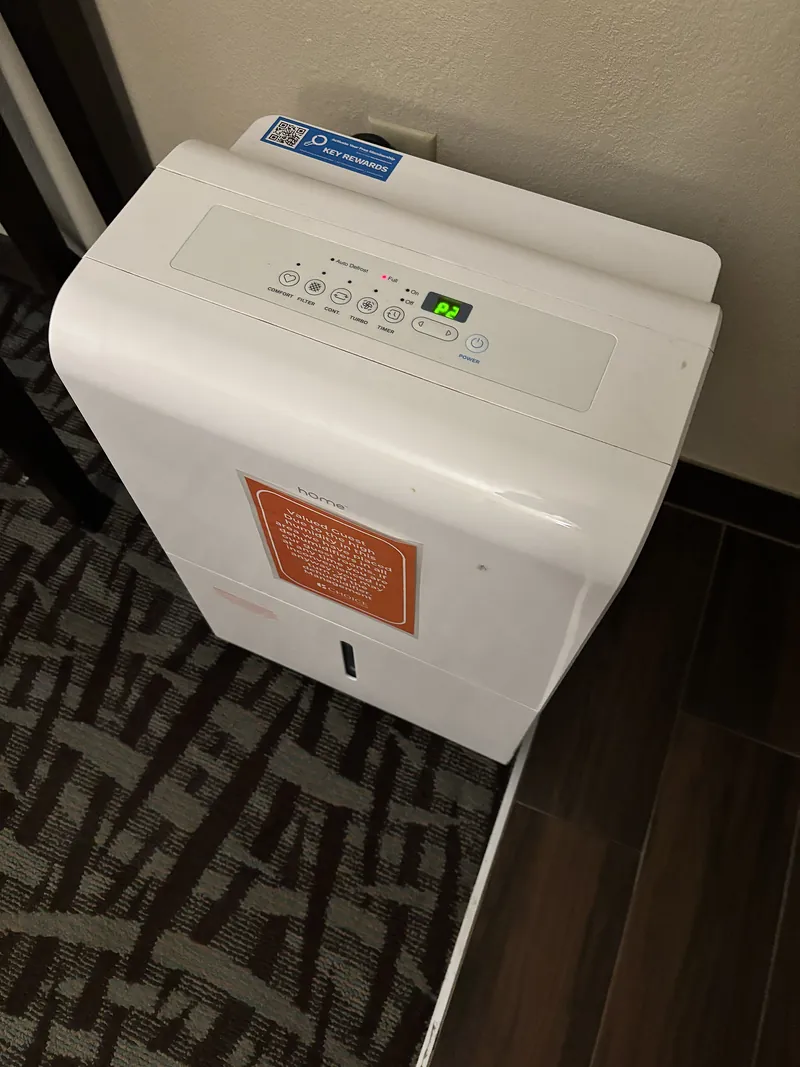
Extraction does only half the work, because moving air and a dehumidifier must clear the moisture that remains. Never run an ordinary household vacuum on wet carpet, as water and electricity are a dangerous pairing. The structural drying page describes the equipment used after extraction.

How do you dry out a wet carpet properly?
Remove the water first, then dry the room with moving air. For clean water, that generally means extraction, lifting a corner or pulling the pad, air movers aimed across the carpet, and a running dehumidifier. A small damp patch might need nothing more than fans and fresh air.
- Air movers push air across the carpet and beneath a raised corner.
- Dehumidifiers take water vapor out of the room. Per the EPA, indoor humidity should stay below 60 percent, and 30 to 50 percent is ideal.
- Moisture readings at three layers (carpet, pad, floor) show whether drying has finished. Your hand cannot tell.
Keep foot traffic off damp carpet and never apply direct heat to it.
Do the tack strip and subfloor need attention too?
Yes, since either one can remain wet when the carpet surface is already dry. The strip along the walls is wood, which soaks up water and may stain, swell or grow mold at the room's perimeter. With the pad removed, the floor can be measured and dried directly.
Where a house is built on a concrete slab, the slab may keep its moisture for some time, and fresh pad over a damp slab can seal the water in again. On a raised foundation, the wood subfloor above the crawl space needs the same check. Ask each restoration team how they prove the floor is dry before carpet is reinstalled.
Carpet that keeps coming up damp with no spill above it may be taking water from below. The slab leak page lists the warning signs.
What causes the wet carpet smell, and will it fade?
The smell comes from water held in the pad and backing, which feeds bacteria and mold. Thorough, quick drying usually clears it. An odor that returns after the carpet seems dry tells you moisture remains underneath.
If the musty odor comes back when the weather turns humid, suspect a damp pad or floor and not the surface fibers. Air fresheners only hide it, and the EPA warns against painting or caulking over mold. To track down a source, use the water damage smell page.
How soon does mold start in soaked carpet?
Fast, which is why the first day or two matter most. The EPA says water-damaged areas and items should be dry within 24 to 48 hours to prevent mold growth. The California Department of Insurance notes that delay in cleanup can result in mold growth.
According to the CDC, mold can bring on nasal stuffiness, throat irritation, coughing, wheezing, burning eyes and skin rash, and people who have asthma or a mold allergy may have severe reactions. After a flood, the CDC says to discard carpets that soaked through and cannot be dried right away. See mold after water damage for more.
Should I pull the carpet if flood water or sewage reached it?
Yes, it comes out. No washing method brings carpet and pad that met sewage or flood water up to a safe standard. The EPA recommends calling a professional who knows contaminated-water jobs, and keeping boots and gloves on until the work is complete.
Under the IICRC S500, rising flood water and outside surface water are Category 3. NOAA's NESDIS reports that the 2022 to 2023 atmospheric rivers brought flooding to the Central Valley, Salinas Valley and Santa Cruz Mountains. In a slab house, sewage tends to surface at the lowest drain, so carpet beside a tub or floor drain is exposed first.
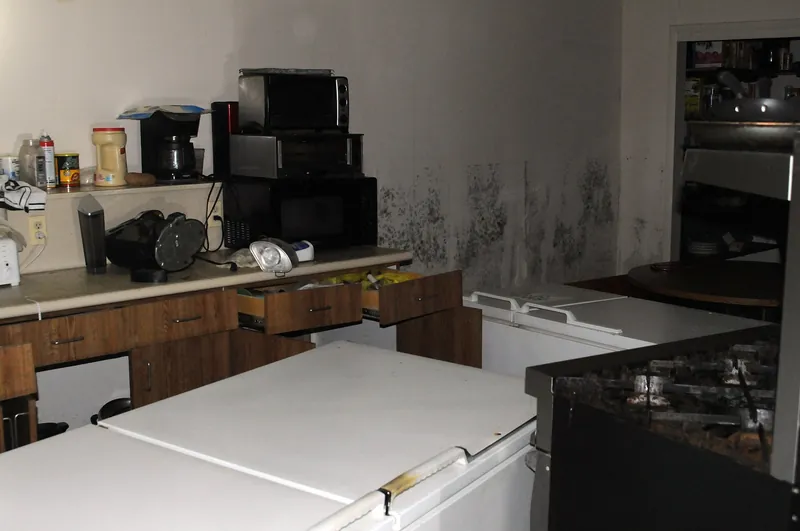

The flood damage restoration and sewage backup cleanup pages describe the process.
What is the drying time for wet carpet?
There is no set figure. The time depends on the water type, the pad, the airflow and how humid the room is. The EPA target is a dry building in 24 to 48 hours, and a restoration team keeps equipment running until moisture readings go back to normal.
Carpet that has been extracted and ventilated dries faster than carpet left alone. Heavy furniture, shut doors and a pad left in place all slow things down. A dehumidifier beats open windows when the air outside is already damp, as it can be during a long winter storm.
If the carpet still feels damp after the first couple of days, tell your restoration team or insurer instead of waiting it out.
Can glued-down or tacked carpet over concrete be dried?
It is harder, since adhesive and concrete trap moisture against the backing, so the carpet often gets cut into sections and lifted. Doing so lets the slab and the underside dry out.
A restoration team may lift one strip along a wall first to see what lies beneath. The leftover adhesive and strip can be taken up after the slab has dried. Where the carpet is aged or its backing is breaking down, replacement may be the more practical call.
Ask whether the job covers removing the pad, tack strip and adhesive, and whether relaying carpet is included. Some restoration teams pass that step to a flooring installer. For what goes on beneath carpet, see water-damaged floor repair.
What does wet carpet repair run in California?
Fixr lists carpeting restoration nationally at $4.75 to $10.50 per square foot. Treat that as the cost of restoring the material, not of replacing an entire room, and not as a California quote. Cost shifts with the type of water, the area and whether the pad or floor is involved.
Restoration teams set their own prices, so ask for a written, itemized estimate. Triple-I recommends written bids with each material and price itemized, and CSLB says a down payment should not be more than 10 percent of the contract price. The restoration cost page shows how a full bill is built.
Is wet carpet covered by homeowners insurance in California?
The cause decides. The California Department of Insurance says homeowners policies exclude flood damage but cover other kinds of water damage. According to NAIC, damage from plumbing or a leaking roof is typically covered, but ground water and rain runoff are not.
Triple-I suggests taking photos, keeping receipts and holding on to damaged items until the adjuster comes. It adds that damage from poor maintenance is not covered, so a slow leak can be contested.
California rules give an insurer 15 calendar days to acknowledge a claim and 40 calendar days after proof of claim to accept or deny it. NAIC notes that policies often exclude mold. The insurance claim guide lays out the steps.
When can I deal with wet carpet on my own?
A small clean-water spill that you catch right away is a reasonable do-it-yourself job. Use a wet vac, aim fans and a dehumidifier at the area, and confirm with a moisture reading that carpet and pad are dry through and through.
Call a restoration team when the water was grey or dirty, when the wetting spans several rooms, when the carpet has sat damp for days, or when a musty odor has appeared. Uncertain? Get readings first, and save photos and receipts for a possible claim.
Sources: IICRC S500 standard; EPA mold and moisture guide; EPA mold cleanup in your home; CDC, About Mold and Your Health; NOAA NESDIS, Atmospheric Rivers Hit West Coast; Fixr, Water Damage Restoration Cost; Triple-I, Settling claims; NAIC, Homeowners Insurance; CSLB press release 24-21; CDI, Residential Property Claims Guide; 10 CCR 2695.5; 10 CCR 2695.7.
Water Damage Cleanup California is the local water damage restoration line and information resource for California. When you call or send a request, it reaches a local water damage restoration team that serves your area. That team confirms whether it can reach you and gives its own scope, price and timing. Confirm them directly before you agree to anything.