The short version
In California, a water damage insurance claim generally works for sudden plumbing or appliance leaks and generally fails for flood, mudslide and earthquake damage, each of which needs its own policy. Record the loss, notify your insurer promptly and track its deadlines. Policy wording rules.
On this page (12)
- Does homeowners insurance cover water damage in California?
- Which sources of water does a California policy usually pay for?
- Will my insurer pay for flood, mudslide or debris flow damage?
- Is water damage from an earthquake-broken pipe or water heater covered?
- Will my policy pay for a slab leak, slow leak, sewer backup or mold?
- What are the steps for filing a water damage claim in California?
- How long does my California insurer have to respond to a claim?
- What records should I keep to support a water damage claim?
- What changes if my home is insured through the California FAIR Plan?
- Is it smarter to file a claim or pay for the repairs myself?
- What can I do if my claim is denied or underpaid?
- How do renters and condo owners file a water damage claim?
Does homeowners insurance cover water damage in California?
Frequently, when a covered cause such as a sudden plumbing failure produced the water, but generally not when the cause was flood. The California Department of Insurance (CDI) states that homeowners policies exclude flood damage while covering other forms of water damage.
Among the standard named perils, the Insurance Information Institute (Triple-I) includes accidental discharge or overflow from plumbing, heating, air conditioning, sprinklers or a household appliance, together with freezing of those systems. Neglected maintenance, mold and pests fall outside it.
The National Association of Insurance Commissioners (NAIC) notes that plumbing and roof leaks are typically covered, but ground water and rain runoff are not. In every case, the wording of your own policy settles the question.
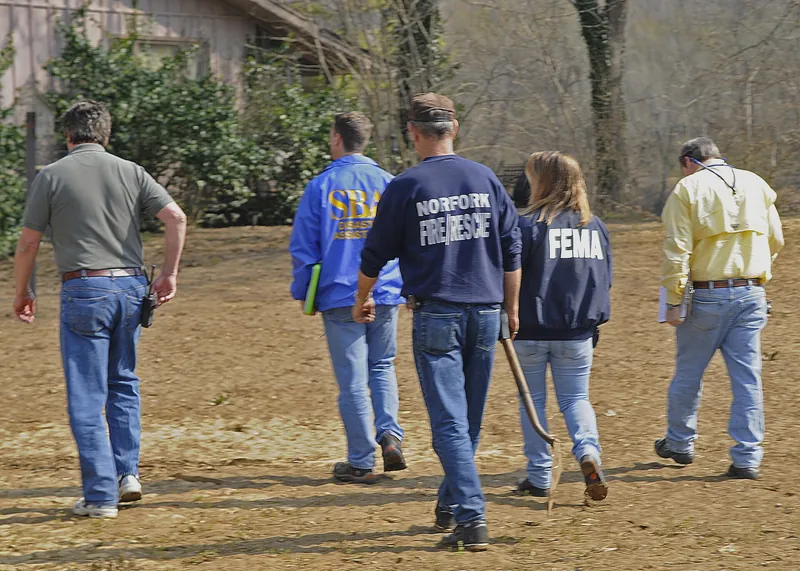

Which sources of water does a California policy usually pay for?
Where the water began determines coverage. Treat the table as a general guide rather than a promise, since an endorsement or the adjuster's findings can alter any row. Flood, mudslide and sewer backup are the rows most likely to catch California homeowners off guard.
| Water source | Usual result | What decides it | Source |
|---|---|---|---|
| Burst pipe or appliance overflow | Usually yes | A sudden, accidental release from plumbing or an appliance counts as a named peril | Triple-I |
| Roof leak | Typically yes | Rain entering through an opening that wind or another covered cause made; age and neglect do not qualify | NAIC, CDI |
| Flood | No, flood insurance required | Homeowners policies leave it out, and it is purchased on its own | CDI, FEMA |
| Mudslide or debris flow | Typically excluded | A recent wildfire or another covered peril behind it can create an exception | CDI |
| Sewer or drain backup | Only with an endorsement | Absent from a typical policy and from flood insurance | Triple-I |
| Rain runoff or groundwater | No | Neither one counts as a covered source | NAIC |
| Leak that drips for months | Often not | Insurers do not pay for lack of maintenance | Triple-I |
| Mold | Depends on the cause | Frequently excluded, yet mold that follows a covered peril may be paid | NAIC, CDI |
Will my insurer pay for flood, mudslide or debris flow damage?
A standard homeowners policy does not. CDI has said homeowners and commercial policies typically leave out flood, mudslide and debris flow unless a recent wildfire or another covered peril triggered them. Flood requires a policy of its own, written through the National Flood Insurance Program or a private insurer.
In a February 2025 press release, CDI reminded insurers they must cover mudslide damage caused by recent wildfires that left hillsides weakened. A burn scar above your home is a reason to ask your insurer in writing how it handles debris flow. See mudslide water damage.
Flood cover has a waiting period. According to CDI's flood resources page, a flood policy starts 30 days after purchase, though some borrowers whose federally regulated lender requires it in a designated high-risk area are exempt. CDI does not regulate the NFIP, and NFIP claims go to 1-800-638-6620.
Few homes have it. The Climate Insurance Working Group report from CDI found flood insurance on fewer than 5 percent of all California homes in September 2019. Cleanup is covered under flood damage restoration.
Is water damage from an earthquake-broken pipe or water heater covered?
A homeowners policy will not pay for it. CDI's earthquake insurance page states that homeowners, renters and condominium policies exclude earthquake damage apart from fire. You would need a separate earthquake policy, and its water terms are narrow, so check how it treats leaking pipes and water heaters before relying on it.
Form BEQ-3C from 2020, a California Earthquake Authority sample policy, excludes flood, surface water and groundwater. It does not exclude damage from water released by a water heater or supply pipes inside the dwelling when an earthquake directly caused the release. That sample policy is an illustration only, and your real policy and deductible control.
CDI adds that earthquake insurance leaves out water damage originating outside the home, including sewer or drain backup, flood and tsunami. An insurer may also deny a claim that was not reported within one year of when you noticed, or should have noticed, the damage.
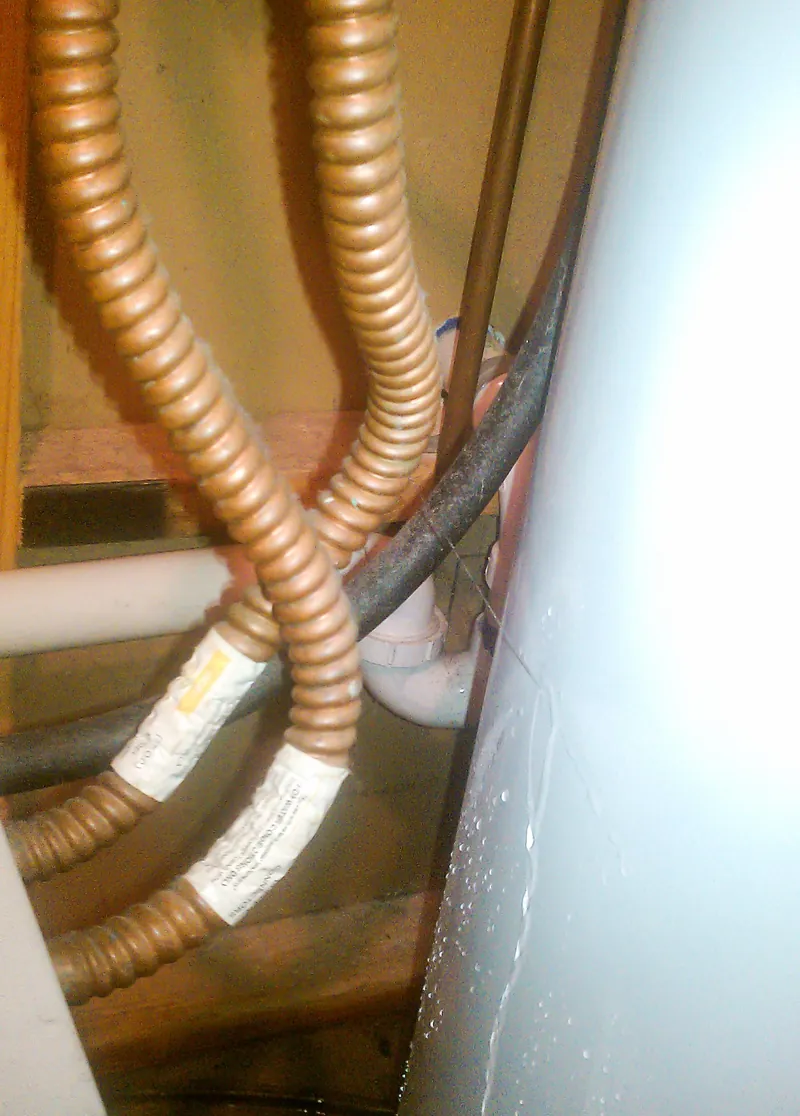

CDI names strapping a water heater to a wall among the retrofits that can reduce earthquake premiums. More is on the water heater leak page.
Will my policy pay for a slab leak, slow leak, sewer backup or mold?
Sudden leaks tend to be covered, but damage from one that ran for a long stretch may be classed as lack of maintenance. Sewer backup calls for an endorsement, and mold hinges on what caused it. Wording differs between policies, so ask your insurer how yours handles each case.
An adjuster separates sudden from gradual using a plumber's written report on the source plus a dated note of when you first spotted trouble. A leak under a slab floor can run out of sight, so hang on to water bills and photos of stains. More is on slab leak water damage.
Triple-I explains that neither a typical homeowners policy nor flood insurance pays for sewer backup, and the cover comes as a separate product or endorsement, usually for a nominal cost. Check your declarations page for it before trouble starts. The sewage backup cleanup page covers the work.
Regarding mold, CDI says mold from a covered peril may be paid, while the NAIC says policies often exclude it. The EPA recommends drying water-damaged areas within the first 24 to 48 hours. Read mold after water damage next.
What are the steps for filing a water damage claim in California?
The order is: stop the water, protect the property, record everything, then phone your insurer. CDI says any water damage claim should be reported to your agent or company immediately. Triple-I advises reasonable steps to prevent further damage, with major permanent repairs held back until the adjuster has assessed the loss.
- Find and stop the leak. CDI tells homeowners to locate leaks and stop them at the source without delay. The water mitigation page describes how damage is limited.
- Photograph and film the source, standing water and every damaged room, before cleanup begins.
- Do not discard damaged belongings before an adjuster has seen them.
- Phone your insurer and note the claim number, who the adjuster is and when each call took place.
- Keep receipts for emergency work and supplies so you can submit them for reimbursement.
- Collect itemized written bids showing each material and its price.
- Begin drying. CDI says drying wet areas and running a dehumidifier can reduce the chance of mold, while delay lets it grow.
Drying need not wait for the adjuster. Take photos first, then dry, and jot down what you removed and the reason.
How long does my California insurer have to respond to a claim?
The Fair Claims Settlement Practices Regulations in California put your insurer on a clock. Three deadlines matter most: 15 calendar days to acknowledge a claim, 40 calendar days to accept or deny once proof of claim arrives, and 30 calendar days to pay after acceptance. The rules sit in Title 10 of the California Code of Regulations.
- Acknowledge: under section 2695.5, the insurer must acknowledge notice of a claim, supply forms and begin any needed investigation immediately and no more than 15 calendar days later. It must answer your communications within the same 15 days.
- Decide: under section 2695.7, it has 40 calendar days after proof of claim to accept or deny in whole or in part.
- More time: an insurer needing longer must say so in writing inside the 40 days and repeat that notice every 30 calendar days until it decides.
- Pay: after accepting, the insurer has 30 calendar days to pay or otherwise perform.
- Denial: the letter has to be written, state every basis and tell you CDI can review the matter.
Track the dates you send documents and the dates the insurer answers. The regulation text controls, so verify the wording through the links above.
What records should I keep to support a water damage claim?
Capture the loss before cleaning and again as repairs move along. Date-stamped photos, video, receipts and a written timeline give the adjuster what is needed. Triple-I advises photographing or filming the damage and saving receipts for money you spend.
- Wide and close photos of every room, the water's source and any water line on the walls.
- A brief video tour where you describe what you see in each room.
- A list of damaged contents with approximate age and the spot where each item sat.
- A plumber's or roofer's report naming what failed, plus when you first noticed it.
- A call log listing names, dates and claim numbers.
State what you saw and when, and avoid guessing how long a leak ran. "I do not know" is an acceptable answer. Read every document before signing, releases and estimates included.
What changes if my home is insured through the California FAIR Plan?
Read it closely, since the basic policy may leave water damage out. CDI calls the FAIR Plan the insurer of last resort. Its bare-bones residential policy covers fire and smoke damage, and liability, water damage and other common perils require additional coverage.
A Difference in Conditions policy can fill in perils such as water damage that the FAIR Plan does not offer, according to a CDI fact sheet. Per CDI's 2023 statement, a court upheld the Commissioner's authority to order added coverages, accidental discharge or overflow of water among them.
The statement added that the FAIR Plan had not yet offered those coverages, so ask your agent what your own policy includes. More is on FAIR Plan and water damage.
Is it smarter to file a claim or pay for the repairs myself?
Begin with the repair estimate and set it against your deductible. An estimate close to or under the deductible may produce little or no payment, whereas a bigger loss typically warrants a claim. Coverage questions can go to your insurer before you decide.
To gauge size, the Triple-I fact sheet gives a national average of $15,400 per water damage and freezing claim in 2019 to 2023, and roughly one in 60 insured homes files one yearly. Your loss could land far above or below that.
National repair ranges to hold up against your estimate are in the restoration cost guide. Companies treat renewal differently, so ask your agent whether a claim could change yours. Past claims also appear on a CLUE report.
What can I do if my claim is denied or underpaid?
Request the denial in writing, along with the policy language supporting it. Section 2695.7 requires a written denial to state its bases and tell you that CDI can review it. From there, escalate. The CDI consumer hotline is 1-800-927-4357, TTY 1-800-482-4833.
On the CDI complaint page you will find an online complaint form, the option CDI recommends, a printable home insurance form and the phone line. Trouble opening a claim is listed as a reason to reach out. The insurer owes CDI an answer to an inquiry within 21 calendar days.
- Obtain the denial or low estimate in writing, citing the policy sections it relies on.
- Set it beside your own bids and photos, then write up the differences and send them.
- Reach the agent or a claims manager when you and the adjuster cannot agree.
- Look for an appraisal clause for disputes over the amount. Per Triple-I, both sides pick an appraiser, those two pick an umpire, and agreement between any two settles it.
- Submit a CDI complaint if the insurer seems to be breaking the rules.
A public adjuster may take up to 15 percent of the settlement, Triple-I says, and it suggests vetting one through the BBB and the state insurance department. Details are on the public adjusters page. Nothing here is legal advice.
How do renters and condo owners file a water damage claim?
The policy that responds depends on the water's origin and on what your lease or association documents say. Water from the unit overhead, a shared pipe or the building roof may fall under a different policy than water from one of your own fixtures.
Standard renters policies exclude flood as well, per Triple-I. Photograph your belongings and send your landlord or manager written notice of the leak immediately. Condo owners should read the association's master policy rules next to their own unit policy, then put a question to each insurer in writing about who handles what.
Further reading: tenant and condo water damage and HOA water damage responsibility. Your policy decides what is paid, and this page offers general information only.
Sources: Triple-I, Homeowners and renters insurance facts; Triple-I, Settling insurance claims after a disaster; Triple-I, Which disasters are covered by homeowners insurance?; EPA, A Brief Guide to Mold, Moisture and Your Home; FEMA, Don't have flood insurance; NAIC, Homeowners Insurance; CDI, Residential Insurance Policies and the FAIR Plan; CDI, statement 065-2023; CDI, Climate Insurance Working Group report; CDI, Flood Insurance Resources; CEA, Homeowners Choice sample policy; CDI, Earthquake Insurance; CDI, February 4, 2025 press release; 10 CCR 2695.7; 10 CCR 2695.5; CDI, file a complaint; CDI, Residential Property Claims Guide
Water Damage Cleanup California is the local water damage restoration line and information resource for California. When you call or send a request, it reaches a local water damage restoration team that serves your area. That team confirms whether it can reach you and gives its own scope, price and timing. Confirm them directly before you agree to anything.